PETSATHI • BIRD SAFETY GUIDE

A Safe Home for Every Feathered Friend

Small changes can make a big difference. Learn how to spot everyday hazards and give your bird a safer place to explore.
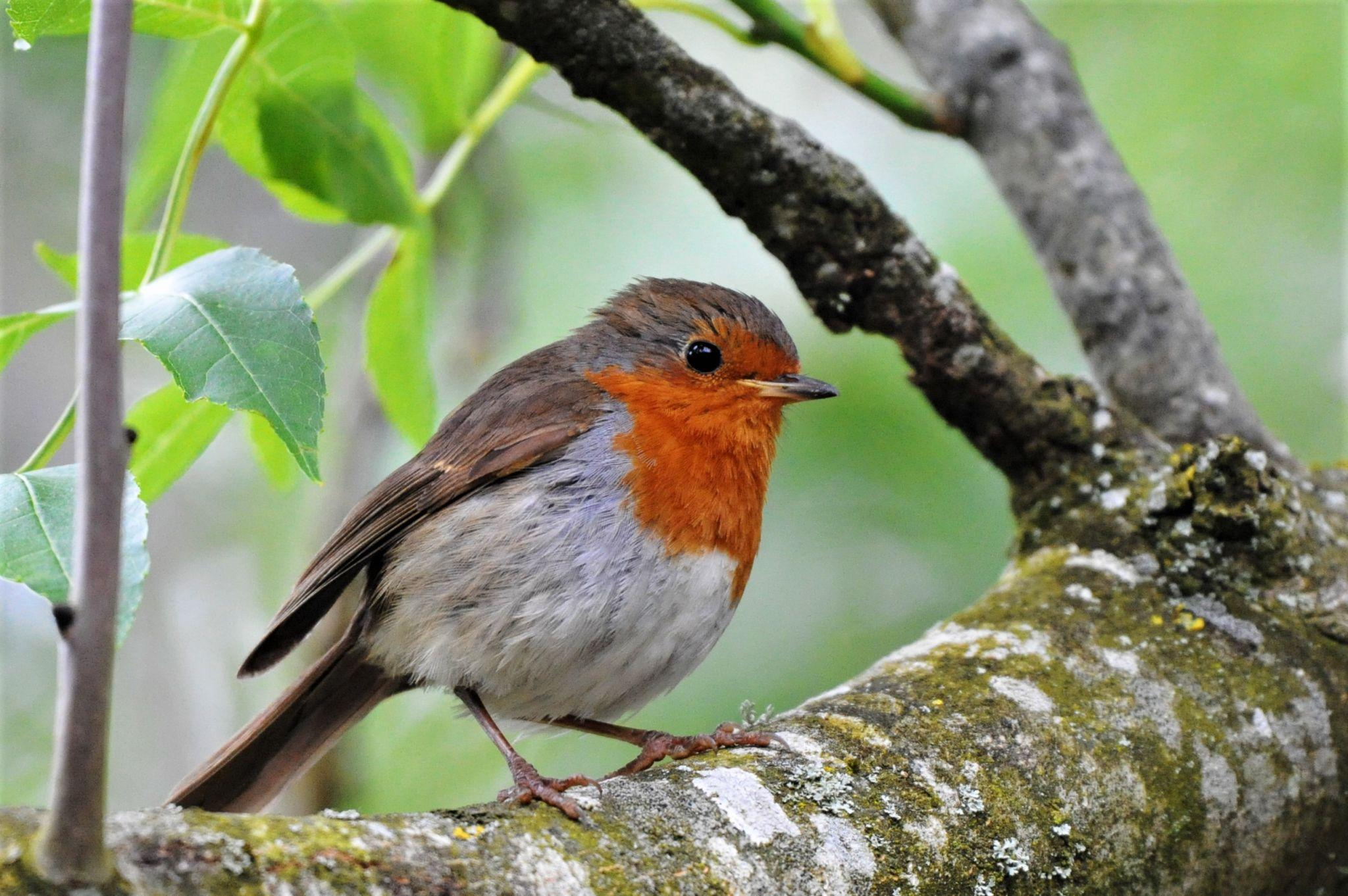
A small bird perched on a tree branch
A SAFER HOME

Household Hazards

Look around from your bird's point of view before allowing them to explore.

Electrical Wires

Keep wires covered and out of reach so curious beaks cannot chew them.

Cleaning Products

Store chemicals securely and keep birds away from cleaning products and their fumes.

Non-Stick Cookware

Overheated non-stick coatings can release fumes dangerous to birds. Keep birds away from cooking areas and fumes.

Open Windows

Secure windows and doors before your bird leaves the cage to prevent escapes and injuries.

Ceiling Fans

Switch fans off whenever your bird is flying freely.

Other Pets

Supervise interactions and keep birds safely separated from cats, dogs and other animals.

EVERYDAY PRECAUTIONS

Kitchen Safety

The kitchen contains heat, fumes and foods that can put birds at risk.

  • Keep birds away from hot stoves, cookware and cooking areas.
  • Avoid exposure to cooking fumes and smoke; keep the cage out of the kitchen.
  • Store unsafe foods and chemicals securely, beyond your bird's reach.
  • Never leave a bird unattended in the kitchen.
BREATHE EASY

Air Quality & Environment

Birds are sensitive to airborne irritants, so clean air is essential.

  • Avoid smoke, aerosols, perfumes and strong fragrances around birds.
  • Keep birds away from harmful fumes, including cooking and cleaning fumes.
  • Maintain good ventilation without exposing your bird to fumes.
  • Keep birds away from pesticides and chemical sprays.
ROOM TO EXPLORE

Windows, Doors & Fans

Prepare the room before supervised time outside the cage.

  • Secure windows and doors; use suitable window screens where possible.
  • Switch off ceiling fans during free flight.
  • Cover large glass surfaces or make them visible to help prevent collisions.
  • Supervise your bird whenever they are outside the cage.
KEEP OUT OF REACH

Toxic Foods & Plants

Some everyday foods and household products are unsafe for birds.

Foods to avoid

  • Chocolate
  • Avocado
  • Caffeine
  • Alcohol
  • Excessively salty foods

Other hazards

  • Toxic household plants
  • Pesticides
  • Chemical sprays

Check with an avian veterinarian whether a food or plant is safe for your bird before allowing access.

SAFE PLAY

Safe Toys & Accessories

Choose appropriately sized, bird-safe materials and inspect them often.

  • Avoid loose threads and small detachable parts that could cause injury or be swallowed.
  • Check toys regularly for damage and remove unsafe items.
  • Provide suitable perches for your bird's size and species.
  • Keep cage accessories clean and securely attached.
BEYOND THE HOME

Outdoor Safety

Plan ahead to keep outings secure and comfortable.

  • Use a secure bird carrier for travel and never allow unsupervised outdoor access.
  • Protect your bird from extreme weather and keep them away from predators.
  • Use a secure harness only when appropriate for your bird and after a gradual, proper introduction.
BE PREPARED

Emergency Preparedness

Knowing whom to call can save valuable time.

  • Keep your avian veterinarian's contact details and the location of the nearest emergency veterinary clinic handy.
  • Keep a suitable bird carrier accessible.
  • Watch for unusual behaviour, breathing difficulties, injuries or possible poisoning.
  • For a serious exposure or emergency, seek veterinary help immediately. Call your avian veterinarian or an emergency clinic for guidance.
A QUICK CHECK

Bird Safety Checklist

Use this list to review your bird's environment.

Check each step you have completed

Keep Your Birds Safe, Healthy & Happy

Explore more practical guidance to help your feathered companion thrive.