Fresh, Clean Water
Provide fresh drinking water every day. Wash the water bowl regularly and refill it whenever it becomes dirty or empty.
A healthy, happy bird needs more than food and a cage. Discover simple daily habits, a safe environment, and the warning signs every responsible bird parent should know.
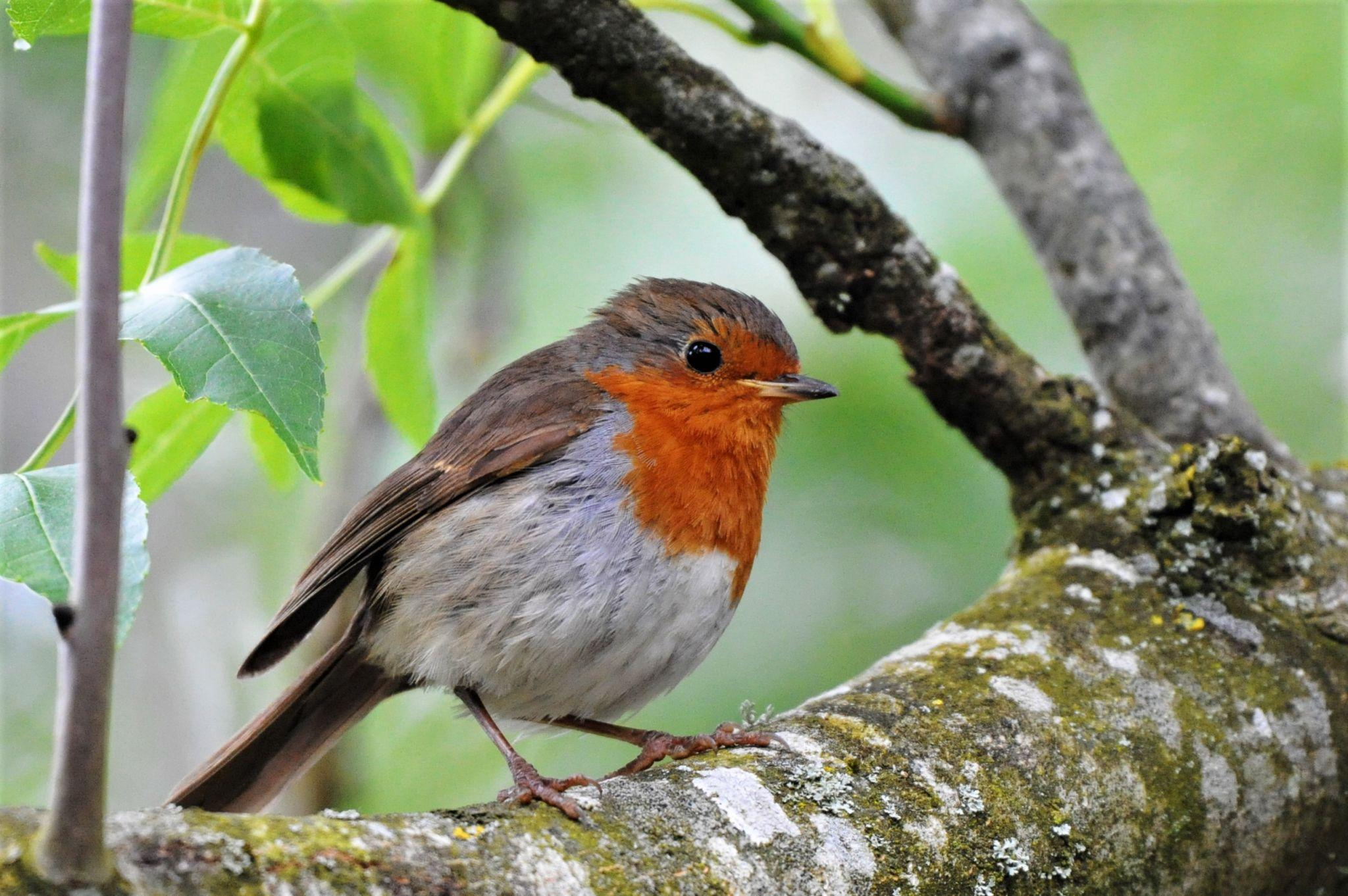
Small, consistent routines make a big difference. Observe your bird every day, keep its living space clean, and make time for gentle interaction.
Provide fresh drinking water every day. Wash the water bowl regularly and refill it whenever it becomes dirty or empty.
Offer a balanced, species-appropriate diet. Ask an avian veterinarian about the right combination of formulated food, vegetables, and other suitable foods for your bird.
Remove leftover fresh food, clean food and water dishes, and replace soiled cage liners. A clean cage also makes it easier to notice changes in droppings.
Spend calm, positive time with your bird. Talking, gentle training, supervised play, and foraging activities can support social and mental well-being.
Tick each task as you complete it.
Notice your bird's normal appetite, activity, posture, vocalisations, and droppings. Knowing what is normal makes unusual changes easier to spot.
Your bird's home should provide room to move, opportunities to explore, and protection from everyday household dangers.
Choose the largest practical cage that suits your bird's species and size. It should allow comfortable movement, climbing, and wing stretching. Bar spacing must be small enough to prevent your bird from getting its head stuck.
Provide secure, bird-safe perches with different diameters and textures. Arrange them so your bird can move comfortably without constantly sitting in the same position.
Offer suitable toys, climbing opportunities, and supervised foraging activities. Check toys regularly for loose parts, sharp edges, or damage that could cause injury.
Keep the cage in a calm, well-ventilated area away from draughts, cooking fumes, excessive noise, and direct heat. Avoid placing it beside radiators or hot appliances.
Give your bird appropriate opportunities for movement and exercise. Any out-of-cage activity should be supervised in a bird-proofed room with windows and doors secured.
Keep the cage, food area, and surrounding space clean. Use products known to be safe for birds, follow label directions, rinse surfaces thoroughly, and keep your bird away during cleaning.
Birds may hide signs of illness. Changes in normal behaviour, eating, activity, or appearance deserve attention.
Schedule routine wellness visits with an avian veterinarian. They can assess your bird's weight, diet, feathers, beak, nails, and general condition, and recommend a suitable follow-up schedule.
Monitor feather condition, skin, beak shape, and nail length. Do not trim feathers, beaks, or nails yourself without proper training and veterinary guidance. Unusual overgrowth, breakage, or damaged feathers should be assessed by a vet.
Some common household products and everyday activities can expose birds to serious risks. Prevention is essential.
Overheated non-stick cookware and appliances with PTFE-type coatings can release fumes that are dangerous to birds. Keep birds away from kitchens and cooking fumes.
Keep birds away from cigarette smoke, aerosol sprays, perfumes, paint fumes, and other airborne irritants.
Store cleaning products, insecticides, rodent poison, and medicines securely. Never use chemicals near a bird unless a veterinarian confirms they are safe.
Avoid offering chocolate, caffeine, alcohol, avocado, onion, garlic, or spoiled and mouldy food. Check unfamiliar foods with an avian veterinarian first.
Secure doors and windows before allowing supervised movement outside the cage. Switch off ceiling fans and cover large mirrors or windows where needed.
Keep birds away from exposed wires, open flames, hot cookware, and kitchen appliances. Never leave a bird unattended near cooking areas.
Allow your bird to become comfortable with you gradually. Use calm movements and positive reinforcement. Never squeeze its body or restrict its chest while handling.
Keep windows and doors closed, remove nearby hazards, and supervise your bird throughout its time outside the cage. Keep other pets at a safe distance.
Keep the contact details of an avian veterinarian and an emergency clinic accessible. Know how to transport your bird safely if urgent care is needed.
Birds can become unwell without showing obvious signs at first. Early veterinary attention can make an important difference.
Arrange regular checkups even when your bird appears healthy. Your avian veterinarian can advise how often visits are appropriate for its species, age, and health history.
Contact your vet when your bird eats less, becomes unusually quiet, changes its droppings, loses balance, or develops abnormal feather or beak changes.
Breathing difficulty, collapse, seizures, significant bleeding, serious injury, or suspected poisoning require immediate veterinary attention. Do not wait to see whether the condition improves.
Not every veterinary clinic has experience treating birds. Identify an avian or bird-experienced veterinarian before an emergency happens.
Helpful answers to common questions from bird parents.
Remove soiled liners and leftover fresh food regularly. Clean food and water dishes daily, and schedule a thorough cage cleaning based on your bird's needs and the level of soiling.
Out-of-cage exercise can be beneficial, but only in a bird-proofed and supervised room. Secure windows and doors, switch off ceiling fans, and remove household hazards first.
Yes. Routine wellness visits with an avian veterinarian help assess your bird's general health and identify potential problems early. Ask your vet about an appropriate schedule.
Changes in appetite, droppings, posture, activity, breathing, or behaviour can indicate a health problem. Contact an avian veterinarian promptly rather than waiting for symptoms to worsen.
Avoid exposing birds to aerosol sprays, smoke, strong fragrances, and cleaning fumes. Birds have sensitive respiratory systems. Follow veterinary advice when choosing cleaning products.
Explore these veterinary and animal-welfare resources for more detailed guidance on caring for companion birds.
Practical guidance on bird health, warning signs, preventive care, and everyday welfare.
Visit resourceDetailed veterinary reference covering bird health, feather care, digestive disorders, and more.
Visit resourceVeterinary charity advice on keeping birds healthy, happy, and well cared for.
Visit resourceVeterinary hospital guidance on housing, nutrition, beak care, and signs of illness in birds.
Visit resourceExternal resources open in a new tab. PetSathi is not responsible for the content of third-party websites.
Responsible bird care is built on patience, observation, a safe environment, and regular veterinary support. Every little habit helps make a difference.