High-Fibre Gut Motility
Indigestible fibre keeps food moving smoothly through the digestive tract. Without constant fibre, a rabbit's digestive tract slows down rapidly, precipitating life-threatening gastrointestinal stasis.
Vital Gut MotilityWelcome to PetSathi's dedicated rabbit nutrition guide. Rabbits possess a uniquely delicate, fibre-driven digestive system requiring unlimited grass hay, fresh leafy greens, measured plain pellets, and constant pure water. Explore our vet-aligned feeding principles to ensure your bunny stays active, dental-healthy, and happily hopping every single day.

Rabbits are specialized hindgut fermenters. Their complex digestive anatomy depends on constant, high-fibre intake to stimulate peristalsis, wear down continuously growing teeth, and nourish beneficial cecal flora.
Indigestible fibre keeps food moving smoothly through the digestive tract. Without constant fibre, a rabbit's digestive tract slows down rapidly, precipitating life-threatening gastrointestinal stasis.
Vital Gut MotilityFeeding hay and pasture grass must represent at least 80% to 85% of total food volume daily. Constant chewing provides essential fiber and creates the side-to-side grinding action that wears open-rooted teeth.
85% Daily VolumeWashed leafy greens deliver vital cellular hydration, key vitamins (A, C, K), and minerals. Rotating varieties stimulates natural foraging behaviors and provides mental enrichment for indoor companions.
10% Daily GreensVeterinary consensus worldwide highlights this simple, life-saving nutritional proportion for healthy adult rabbits. Daily volume must be anchored firmly by endless grass hay, supported by fresh leafy vegetables and measured pellets.
Unlimited fresh Timothy, Orchard, or Meadow hay available 24/7 for digestive motility and dental wear.
A packed adult-fist-sized portion of varied safe leafy greens washed clean daily for hydration and micronutrients.
1 to 2 tablespoons of uniform high-fibre pellets daily to supply concentrated vitamins and trace minerals.
Continuous clean, pure drinking water served in heavy ceramic bowls and refreshed every single day.
Rabbit teeth grow continuously throughout life—up to 2 to 3 millimeters every week! Chewing high-silica grass hay naturally grinds incisors and molars down, preventing painful spurs while driving healthy digestion.

The gold-standard daily grass hay for adult rabbits. High in coarse indigestible fibre with low protein and balanced calcium, making it ideal for lifelong gut health and weight management.
Daily Adult Staple
A soft, fragrant, sweet-tasting grass hay that picky bunnies adore. Exceptional alternative for pet owners who experience pollen allergies from standard Timothy hay.
Picky Eater Friendly
Rich botanical blend of varied pasture grasses, seed heads, and dried meadow herbs. Provides tactile variety, encouraging natural foraging exploration and prolonged chew time.
Foraging Variety
Features thick, crunchy golden stalks and immature seed heads. The coarse texture provides excellent abrasive dental grinding for rabbits prone to molar points or dental irregularities.
Dental Health
Hand-picked, chemical-free garden grass adds succulent hydration and natural vitamins. Always introduce slowly; never feed lawnmower clippings, which ferment rapidly and cause fatal bloat.
Hand-Picked Only
Growing junior rabbits under 6 months benefit from protein-rich Alfalfa (lucerne) hay. Adult rabbits (7+ months) must transition to Timothy, Orchard, or Meadow hay to prevent kidney calcium deposits and obesity.
Life Stage CareA vibrant daily salad supplies essential moisture and micronutrients. Introduce one new green at a time over 3 to 5 days, wash thoroughly, portion sensibly, and observe your rabbit's droppings closely.

Dark, crisp, hydrating, and packed with fibre. A dependable daily salad base. Never feed iceberg lettuce, which contains lactucarium that can trigger painful diarrhoea.
Dark Leafy Base
Wonderfully fragrant and universally adored by rabbits. Gentle on sensitive digestive systems and rich in vitamins A, C, and K to support healthy eyes and coat.
Aromatic Favorite
Both curly and flat-leaf parsley offer robust flavours and rich minerals. Moderate daily portions and rotate with other greens due to naturally higher oxalic acid and calcium content.
Vitamin-Packed
Sweet, tender herb with soothing digestive properties. Great for encouraging appetite in hesitant bunnies and adding exciting olfactory enrichment to daily forage piles.
Digestive Soothing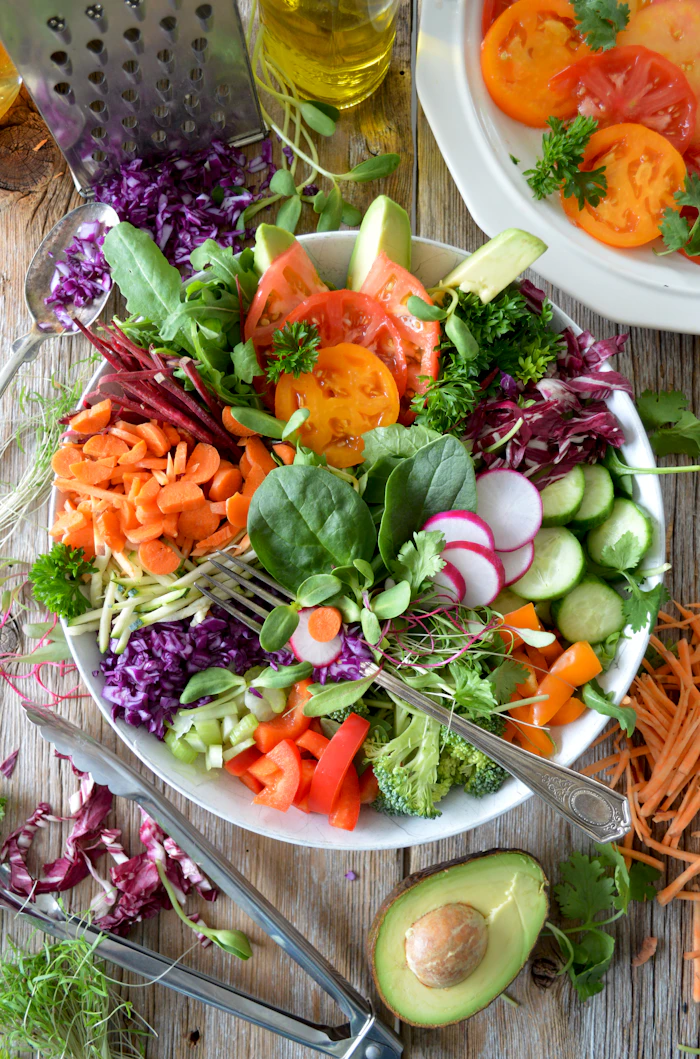
Crunchy, hydrating stems and succulent tender leaves. Gentle on rabbit stomachs while offering clean hydration and trace minerals. Excellent rotational green.
Crunchy Hydration
Carrot greens (the leafy fronds) make a wonderful regular leafy food! Combined with fresh peppermint, spearmint, and dill, they keep mealtimes joyful and gut-healthy.
Safe Herb BlendPellets are designed as a small daily nutritional safety net, not an all-you-can-eat meal. Selecting high-fibre, uniform extruded pellets and strictly measuring portions prevents obesity and tooth misalignment.
Always choose plain, uniform green extruded pellets. Target a nutritional profile of at least 20% to 25% crude fibre, 12% to 14% protein, and less than 2% fat for adult maintenance.
High-Fibre ExtrudedColourful seed, corn, and nut mixes permit selective feeding: rabbits pick out the sugary grains and leave behind fibrous pieces. This causes dangerous calcium imbalance, dental disease, and obesity.
No Muesli MixesFor an adult companion rabbit, feed only 1 to 2 level tablespoons per 5 pounds of body weight per day. Never top off an empty bowl during the day—let your bunny satisfy hunger with fresh hay!
1–2 Tbsp DailyGrowing kits under 6 months need nutrient-dense Alfalfa-based pellets to support bone and muscle growth. Adults over 7 months must switch to Timothy-based pellets to avoid excess calcium and urinary sludge.
Timothy for AdultsStore pellets in an airtight, opaque container in a cool, dark, dry pantry. Exposure to light and humidity degrades vitamins A, C, and E. Purchase fresh bags and use within 60 to 90 days of opening.
Store Cool & DryInstead of placing pellets in an open bowl, scatter them across a clean foraging mat or hide them inside toilet paper rolls filled with hay. This sparks natural searching instincts and burns mental energy.
Scatter & ForageRabbits have an enormous sweet tooth, but fruit sugars (fructose) can ferment dangerously in the cecum. Treats should be reserved as rare training rewards—never exceed 1 teaspoon per 2 lbs body weight, 2 to 3 times weekly.

Crisp, sweet, and highly motivating. Always remove the core and all apple seeds, as seeds contain amygdalin, a compound that hydrolyzes into toxic cyanide in small herbivores.
Deseed Completely
Nutrient-rich, delicious, and antioxidant-packed. The green leafy calyx top of the strawberry is completely safe, highly fibrous, and equally enjoyable for your bunny.
Include Green Tops
Loaded with anthocyanins and vitamins. Because blueberries come in tidy single-serving portions, 1 or 2 berries make the perfect portion-controlled reward during litter training or bonding.
1–2 Berries Max
Rabbits find banana utterly irresistible. However, banana is extremely dense in starch and sugars. Limit strictly to a single thin coin slice (quarter-inch) once or twice weekly at most.
Tiny Coin Slice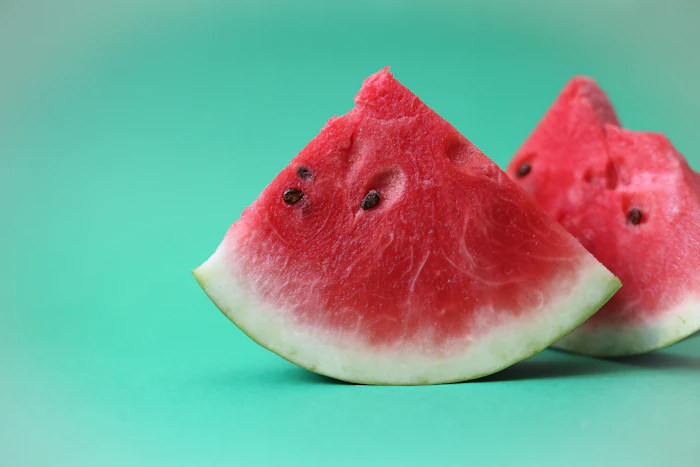
Succulent, sweet, and water-dense fruit treats. Remove all seeds and rind. A thumbnail-sized cube provides a refreshing summer reward without overloading the cecum with sugar.
Thumbnail Cube
Store-bought yoghurt treats, honey seed sticks, and coloured biscuits contain milk proteins, saturated fats, and simple sugars that rabbits cannot metabolize. Fresh natural herbs make superior rewards!
Say No to YoghurtA rabbit's delicate cecal microbiome cannot digest dairy, refined starches, or toxic phytotoxins. Ingesting these dangerous foods can cause rapid fatal dysbiosis, acute kidney injury, or fatal poisoning.
Contains theobromine and caffeine. Even tiny amounts trigger severe tachycardia, cardiac arrhythmia, seizures, and fatal central nervous system toxicity in rabbits.
Severely ToxicThe skin, pit, leaves, and green flesh contain persin, a dangerous fungicidal toxin. Causes respiratory distress, congestive heart failure, and sudden death in small herbivores.
Lethal Persin ToxinAll members of the allium family (onions, garlic, chives, leeks, shallots) cause oxidative destruction of red blood cells, precipitating severe hemolytic anaemia and organ failure.
Destroys Blood CellsCoffee grounds, tea bags, soda, and energy drinks are extreme stimulants for a rabbit's sensitive cardiac muscle, causing rapid hyperthermia, tremors, and cardiac arrest.
Cardiac StimulantRabbits lack hepatic enzymes required to metabolize alcohol. Ingestion causes immediate systemic acidosis, profound hypothermia, respiratory depression, and death.
Extreme NeurotoxinCookies, crackers, bread, chips, and pasta contain complex carbohydrates that overwhelm the small intestine, causing explosive Clostridium bacteria overgrowth and fatal enterotoxemia.
Gut Stasis TriggerRhubarb contains caustic oxalates; tomato vines and raw potato skins contain solanine glycoalkaloids; and many garden ornamentals (foxglove, ivy, buttercups, yew, lily of the valley) are deadly. Never feed wild plants unless positively identified as 100% rabbit-safe!
Poisonous Plant HazardRabbits thrive on predictable routines. A steady feeding schedule keeps digestion moving smoothly, prevents gorging, and allows owners to immediately notice any subtle loss of appetite.
Discard yesterday's flattened hay and fluff up a generous fresh pile of Timothy hay as large as your bunny's body. Wash and refill water bowls. Provide half of the measured daily plain pellet ration.
Check water bowl to ensure it remains clean and uncontaminated by hay. Fluff up feeding racks, hide a fragrant sprig of mint or basil in foraging boxes, and check for regular round droppings.
Serve a washed, dripping-wet bowl of 3 to 4 varied leafy greens (Romaine, coriander, parsley). Serve the remaining half of measured pellets and pack bedtime hay racks for overnight munching.
Individual Veterinary Guidance Note: Exact feeding quantities, caloric requirements, and mineral needs depend on your rabbit's breed size, life stage, body condition score, and underlying health. Always consult a qualified rabbit-savvy veterinarian before implementing major dietary changes.
A 4-pound rabbit drinks approximately as much water in a day as a 20-pound dog! Adequate fluid intake prevents dry, impacted gut contents and flushes excess dietary calcium out of the bladder.
Clean drinking water must be accessible without interruption. Rabbits experiencing even temporary water deprivation will immediately stop eating dry hay, precipitating acute GI stasis within hours.
Never Let Run DryScientific studies prove rabbits drink significantly more volume from open water bowls than from sipper bottles. A heavy ceramic crock prevents tipping and provides a natural, comfortable drinking posture.
Bowls PreferredWash bowls and bottles daily with hot water and pet-safe mild soap. Water containers develop invisible bacterial biofilm within 24 hours that can harbour harmful pathogens and cause sour tastes.
Wash Every DayClear, vet-approved answers to the five most essential rabbit feeding questions.
Hay is the single most vital component of a rabbit's diet, representing at least 80% to 85% of what they consume. Its long-strand, indigestible fibre is essential to stimulate continual peristalsis in the hindgut, preventing fatal gastrointestinal stasis. Furthermore, chewing tough grass hay provides the necessary side-to-side abrasive grinding action that wears down their open-rooted teeth, which grow up to 2 to 3 millimeters every week.
Rabbits thrive on dark, leafy green vegetables such as Romaine lettuce, coriander (cilantro), parsley, basil, mint, dill, bok choy, rocket (arugula), watercress, and carrot greens (the feathery tops). Avoid iceberg lettuce, which contains the chemical lactucarium and is mostly watery with little fibre, as well as vegetables prone to causing gas, such as cabbage, broccoli, and cauliflower. Always wash greens thoroughly and introduce new varieties one by one over several days.
For an adult companion rabbit, pellets should be strictly measured out at approximately 1 to 2 level tablespoons per 5 pounds of body weight each day. Pellets should always be plain, uniform green extruded cylinders with at least 20% to 25% fibre. Avoid free-feeding pellets or buying muesli mixes with colorful seeds and dried corn, which encourage selective eating, severe obesity, and tooth decay.
Yes, but only as a rare, occasional treat in very tiny quantities. Suitable options include deseeded apple slices, strawberries (with green tops), blueberries, raspberries, and thin coin slices of banana. High fruit sugars (fructose) can upset the cecal balance of good bacteria, causing severe digestive upsets. Limit fruit rewards to no more than 1 level teaspoon per 2 pounds of body weight, 2 to 3 times per week at most.
Rabbits must never eat chocolate, avocado, onions, garlic, leeks, chives, coffee, tea, alcohol, or human processed foods like bread, crackers, cookies, chips, pasta, and commercial yoghurt drops. Additionally, avoid feeding potato skins, tomato leaves and vines, rhubarb, wild mushrooms, and lawnmower clippings (which ferment rapidly and cause fatal bloat). Always contact a rabbit-savvy vet immediately if your bunny accidentally ingests a toxic item.
Explore vet-reviewed literature, detailed safe food lists, and evidence-based feeding guidelines from leading veterinary medicine and global animal welfare institutions.
Official UK RSPCA clinical welfare guide detailing daily hay requirements and safe feeding principles.
Visit Resource ↗Comprehensive veterinary clinical reference on lagomorph gastroenterology and dietary management.
Visit Resource ↗Expert veterinary advice covering safe greens, portion guides, and foraging enrichment habits.
Visit Resource ↗In-depth companion animal dietary breakdowns, safe greens lists, and seasonal hydration guidance.
Visit Resource ↗From unlimited fragrant hay to wholesome leafy greens, thoughtful daily nutrition is the heart of a long, healthy, and joyful bunny life. Continue exploring PetSathi's curated rabbit guides for grooming, housing, and veterinary care.