🐹 PetSathi • Pocket Pets & Small Companions

Gentle Hearts in Small Wonder Packages

Welcome to PetSathi's comprehensive Small Pets Guide! Explore in-depth profiles, lifespan, adult sizes, temperaments, housing setups, and daily care essentials for 8 beloved companion animals.

🐹 8 Detailed Small Pets
āš–ļø Side-by-Side Comparison
šŸ” Safe Housing & Bedding
šŸ„— Diet & Nutrition Advice
Meet Your Little Companions

Popular Small Pet Species

Each small animal brings distinct charm, social needs, and activity cycles. Filter by personality or care requirements to find the ideal match for your home and lifestyle.

šŸ”
Showing 8 of 8 Small Pets
Syrian Hamster exploring with full cheek pouches
🐹 Beginner

Hamster

Mesocricetus auratus

Beloved pocket pets famous for their expandable cheek pouches, adorable burrowing antics, and enthusiastic nighttime wheel running.

šŸŒ™ Nocturnal šŸ“¦ 450–800 sq in Floor
Adult Size 4–7 in (10–18 cm)
Average Lifespan 2–3 Years
Adult Weight 100–150g (Syrian)
Noise Level Quiet (Wheel runner)
🧠 Temperament & Behavior

Inquisitive, solitary, and gentle when handled patiently. Hamsters awaken in the evening and can be nippy if startled or woken abruptly during daytime sleep.

šŸ„— Basic Care & Diet

Commercial fortified hamster pellet mix supplemented with safe seeds, fresh broccoli, kale, and cucumber. Fresh water bottle replaced daily.

šŸ” Housing & Exercise

Spacious solid-bottom enclosure with 6–8+ inches of deep, dust-free paper bedding for burrowing. Upright solid-surface wheel (10–12" for Syrian to prevent spine curvature).

āš ļø Golden Rule: Syrian hamsters must ALWAYS live alone! Housing them together leads to deadly territorial fights.
Friendly tricolor Guinea Pig resting on soft bedding
🐾 Beginner

Guinea Pig (Cavy)

Cavia porcellus

Affectionate, communicative herd herbivores that delight owners with joyful "wheek-wheek" whistles, expressive purrs, and gentle lap time cuddles.

ā˜€ļø Crepuscular / Diurnal šŸ“¦ 7.5–10.5+ sq ft Flat
Adult Size 8–11 in (20–28 cm)
Average Lifespan 5–8 Years
Adult Weight 700–1,200g (1.5–2.6 lbs)
Noise Level Vocal (Whistling wheeks)
🧠 Temperament & Behavior

Docile, social, and gentle. Very rarely bite. They form deep bonds with patient caregivers and thrive on consistent routines and secure hidey spots.

šŸ„— Basic Care & Diet

80% unlimited Timothy or meadow hay daily for continuous dental wear and digestive health. Vitamin C-fortified pellets and fresh bell peppers daily.

šŸ” Housing & Exercise

Large flat-bottom cage or C&C enclosure (min. 7.5 sq ft for 1, 10.5+ sq ft for pairs). Flat solid floors lined with washable fleece or paper; never wire bottoms.

šŸŠ Essential Nutrient: Guinea pigs cannot synthesize Vitamin C! Daily bell peppers or stabilized Vitamin C supplements prevent painful scurvy.
Nimble Fancy Mouse perched delicately on climbing branch
🐭 Beginner

Fancy Mouse

Mus musculus domestica

Inquisitive, acrobatic, and endlessly entertaining tiny companions that love climbing ropes, exploring mazes, and building cozy paper nests.

šŸŒ™ Nocturnal šŸ“¦ 20-Gallon Tank/Cage
Adult Size 3–4 in + 3 in Tail
Average Lifespan 1.5–2.5 Years
Adult Weight 30–50 Grams
Noise Level Very Quiet (Soft rustling)
🧠 Temperament & Behavior

Fast, agile, and alert. They are primarily observational pets due to their lightning speed, but can learn to take seed treats gently from open palms.

šŸ„— Basic Care & Diet

Commercial mouse lab blocks or quality seed mix (low sunflower/corn), supplemented with oats, millet, and small morsels of fresh apples or spinach.

šŸ” Housing & Exercise

Ventilated wire cage with 1/4" bar spacing or glass tank with mesh lid. Solid 6.5–8" exercise wheel, climbing ladders, sisal ropes, and cardboard tubes.

āš ļø Social Note: Female mice thrive in bonded sister groups. Male mice should live solo unless neutered, as males fight fiercely over territory.
Curious hooded Fancy Rat standing alert on solid perch
šŸ€ Beginner

Fancy Rat

Rattus norvegicus domestica

Known affectionately as the "pocket puppies" of small animals, rats are remarkably smart, affectionate, clean, and capable of learning complex tricks.

šŸŒ— Crepuscular šŸ“¦ Multi-Tier Tall Cage
Adult Size 9–11 in + 8 in Tail
Average Lifespan 2–3.5 Years
Adult Weight 350–650 Grams
Noise Level Quiet (Bruxing & boggling)
🧠 Temperament & Behavior

Deeply empathetic, loving, and curious. Rats recognize individual humans, enjoy sitting on shoulders, groom their owners gently, and love problem solving.

šŸ„— Basic Care & Diet

Nutritionally balanced rat block pellets (e.g. Oxbow Essentials) alongside daily vegetables, cooked grains (rice, pasta), fruit treats, and occasional lean proteins.

šŸ” Housing & Exercise

Multi-level wire cage (Critter Nation type, min. 2 cubic ft per rat) with fabric hammocks, fleece shelf liners, climbing ropes, and 1+ hour daily free roam.

ā¤ļø Pairing Essential: Rats suffer severe psychological depression if kept alone. Always adopt bonded pairs or trios of the same sex!
Mongolian Gerbil alert on sandy burrow mound
🐾 Beginner

Mongolian Gerbil

Meriones unguiculatus

Desert-dwelling master burrowers with furry tails that communicate via foot-drumming, produce virtually no odor, and love shredding cardboard.

ā˜€ļø Diurnal / Crepuscular šŸ“¦ 20+ Gal Gerbilarium
Adult Size 4–5 in + 4 in Tail
Average Lifespan 3–4 Years
Adult Weight 60–130 Grams
Noise Level Moderate (Chewing & drumming)
🧠 Temperament & Behavior

Inquisitive, energetic, and clean. Active in intermittent bursts throughout both day and night. They rarely bite and thump their hind legs when excited or alert.

šŸ„— Basic Care & Diet

Formulated gerbil seed and pellet blend with controlled sunflower seeds. Plain chinchilla sand bath dish for weekly coat grooming (never water baths).

šŸ” Housing & Exercise

Deep glass tank or gerbilarium (min. 20 gallons for 2) filled with 8–10+ inches of compressed aspen, hay, and paper for stable tunnel structures. Lots of cardboard!

🚫 No Plastic: Gerbils are fierce chewers. Never use plastic cages, tubes, or wheels, as chewed plastic fragments cause fatal intestinal blockages.
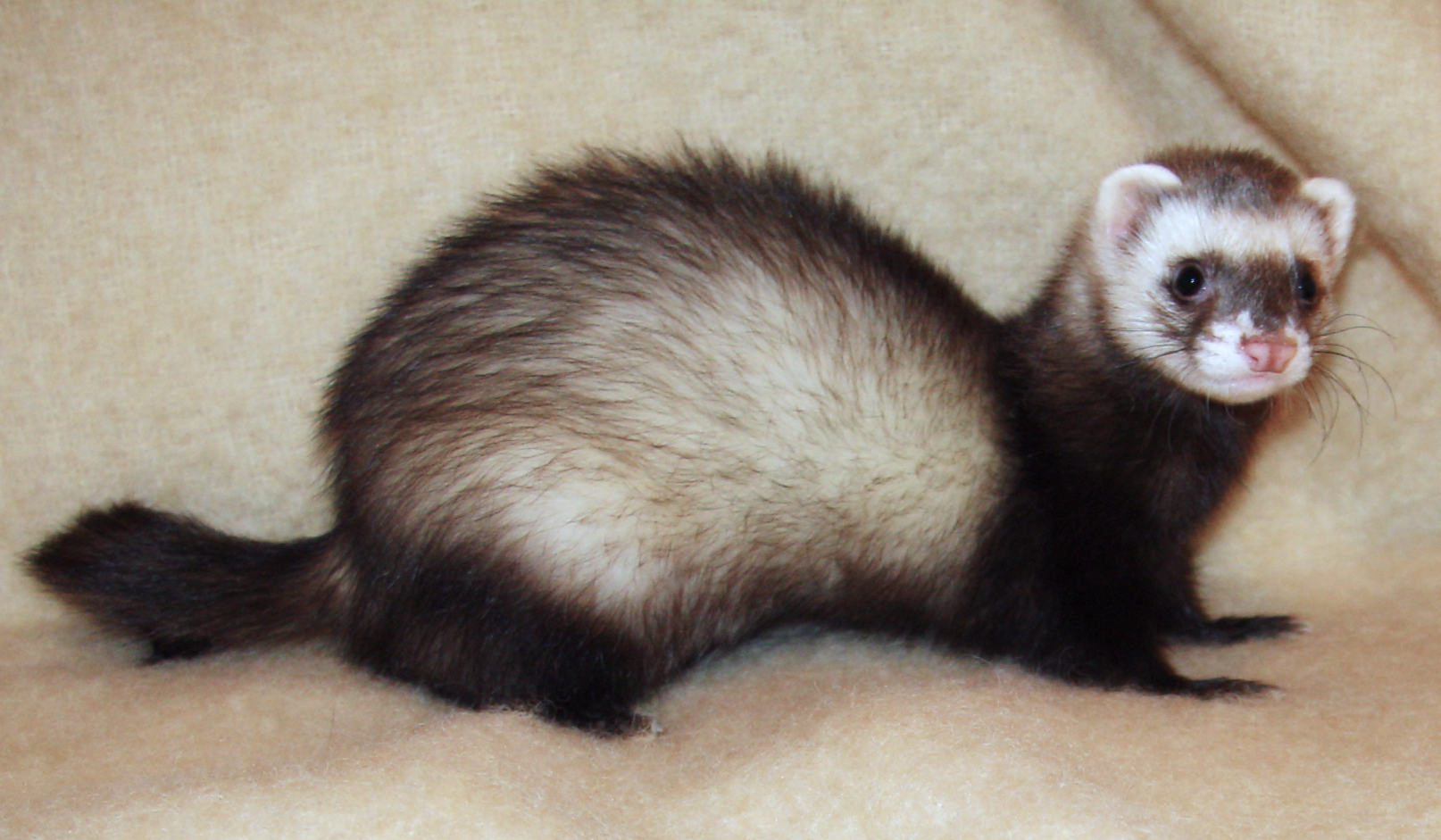
Inquisitive domesticated Ferret peeking with alert eyes
🦔 Intermediate

Ferret

Mustela putorius furo

Playful, flexible carnivores famous for their energetic "weasel war dances," mischievous thievery of shiny objects, and deep slumber cycles.

ā˜€ļø Crepuscular / Active šŸ  Ferret-Proofed Room
Adult Size 13–16 in (33–40 cm)
Average Lifespan 6–10 Years
Adult Weight 700–2,000g (1.5–4.5 lbs)
Noise Level Moderate (Dooking & scuffling)
🧠 Temperament & Behavior

Boundlessly curious, comical, and bold. Sleep up to 14–18 hours daily, but wake with intense bursts of energy. They love stash games and chasing tunnels.

šŸ„— Basic Care & Diet

Strict obligate carnivores: 36–40% high animal protein and 20% fat. Near-zero carbohydrates or fiber. No fruits, veggies, or grains (which trigger insulinoma).

šŸ” Housing & Exercise

Large multi-level wire cage (e.g. Ferret Nation) with hammocks, tunnels, and pelleted litter box. Minimum 4 hours daily supervised out-of-cage exploration in a ferret-proof room.

🩺 Veterinary Care: Requires specialized exotic vet care, distemper and rabies vaccinations, and vigilance against adrenal disease and swallowed rubber items.
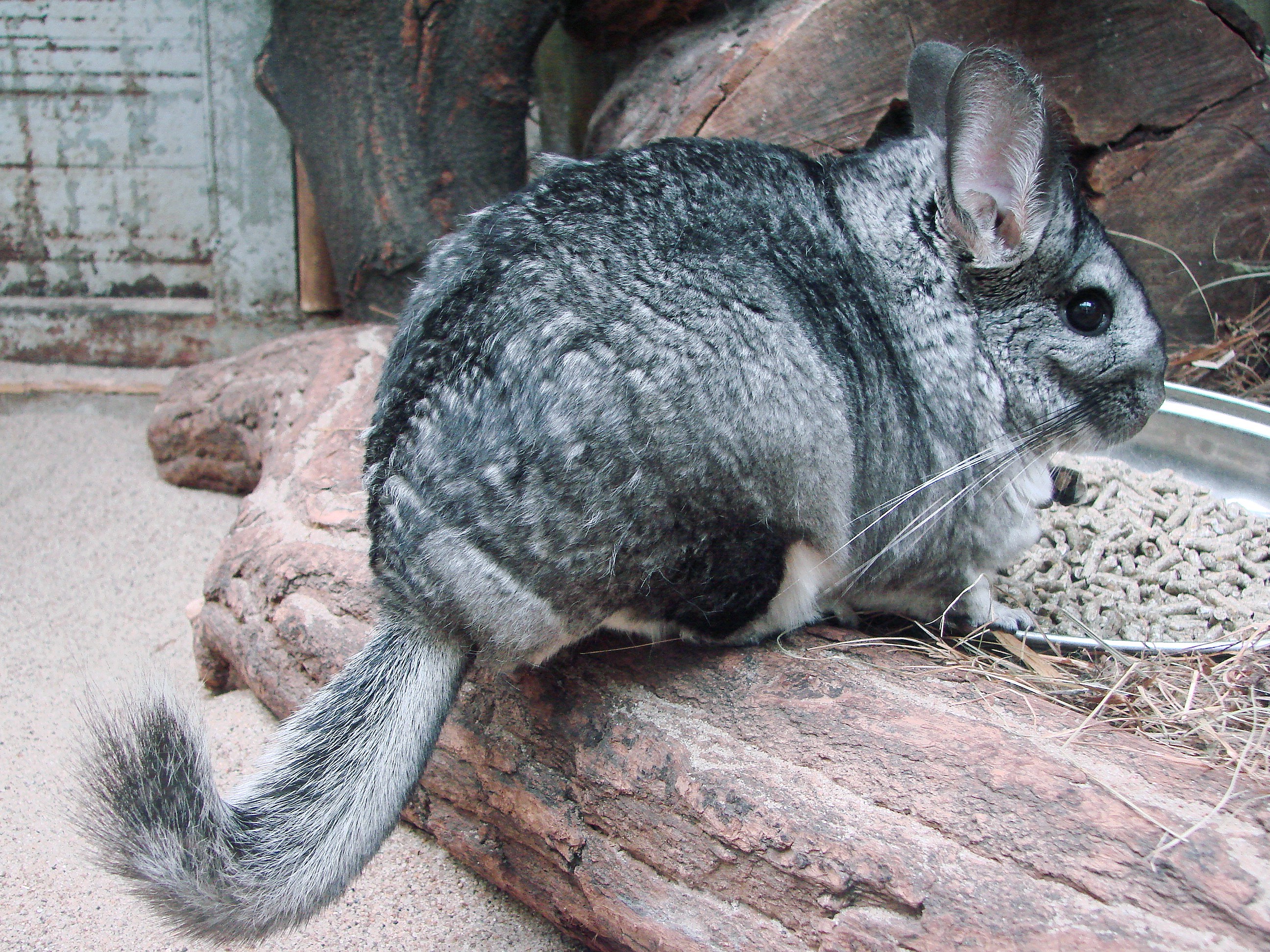
Silky grey Chinchilla showing extremely dense luxury fur
🐰 Intermediate

Chinchilla

Chinchilla lanigera

Andean natives boasting the densest, silkiest fur of any land mammal, prized for their athletic wall-bouncing acrobatics and impressively long lifespans.

šŸŒ™ Crepuscular / Nocturnal šŸ¢ Tall Multi-Level Tower
Adult Size 10–14 in + 6 in Tail
Average Lifespan 10–15+ Years
Adult Weight 400–800 Grams
Noise Level Quiet (Soft chirps & leaps)
🧠 Temperament & Behavior

Gentle, timid, and routine-oriented. They dislike rough handling or being squeezed, but enjoy interactive treats, gentle chin scratches, and evening obstacle courses.

šŸ„— Basic Care & Diet

Unlimited high-grade Timothy hay (vital for continuously growing teeth) and plain chinchilla pellets. 2–3 weekly volcanic pumice dust baths (NEVER water!).

šŸ” Housing & Climate

Tall multi-level cage with untreated pine jump ledges. STRICT temperature control: must stay between 60°F–68°F (15°C–20°C). Air conditioning is essential in warm climates.

ā„ļø Heatstroke Warning: With 60+ hairs per follicle, chinchillas cannot sweat! Temperatures over 72°F (22°C) can cause rapid, fatal heatstroke.
African Pygmy Hedgehog displaying distinctive quills and soft snout
šŸ¦” Advanced

African Pygmy Hedgehog

Atelerix albiventris

Charming, solitary nocturnal insectivores crowned with thousands of smooth quills, famous for rolling into spiky defensive balls and cute self-anointing quirks.

šŸŒ™ Nocturnal šŸ“¦ 4x2 ft Flat Enclosure
Adult Size 5–8 in (13–20 cm)
Average Lifespan 4–6 Years
Adult Weight 300–600 Grams
Noise Level Quiet (Huffs & nighttime wheel)
🧠 Temperament & Behavior

Shy initially, rolling into a prickle ball when startled. With patient, daily gentle handling in dim lighting, they uncurl, sniff happily, and explore curiously.

šŸ„— Basic Care & Diet

High-protein, low-fat insectivore diet or high-grade poultry cat kibble (30%+ protein, < 15% fat), supplemented with gut-loaded live mealworms, crickets, and roaches.

šŸ” Housing & Heating

Flat, solid-floor enclosure (min. 4x2 ft; no wire ramps to protect delicate feet). Large 11–12" solid-surface wheel (Carolina Storm type) for nighttime miles.

šŸ”„ Critical Heating: Must have a thermostatically controlled ceramic heat emitter keeping 72°F–78°F (22°C–26°C) 24/7. Drops below 70°F induce fatal pseudo-hibernation!
šŸ”šŸ¹

No matching small pets found

Try adjusting your search keyword or selecting a different category filter pill above.

At-a-Glance Comparison

Side-by-Side Small Pets Comparison

Compare lifespan, size, temperament, social needs, cage requirements, and care difficulty across all 8 species to make an informed, compassionate adoption choice.

Filter Comparison Table:
Pet Species Avg. Lifespan Adult Size & Weight Social Requirement Active Schedule Care Level Space & Enclosure Need Best Suited For
🐹 Hamster
2–3 Years 4–7 in / 100–150g 🚫 Strictly Solitary šŸŒ™ Nocturnal Beginner 450–800 sq in floor, deep burrowing Night owls, quieter compact rooms
🐾 Guinea Pig
5–8 Years 8–11 in / 700–1,200g šŸ‘Æ Bonded Pairs/Group ā˜€ļø Crepuscular / Diurnal Beginner 7.5–10.5+ sq ft flat floor run Families, lap lovers, daytime watchers
🐭 Fancy Mouse
1.5–2.5 Years 3–4 in / 30–50g šŸ‘Æ Females in pairs/groups šŸŒ™ Nocturnal Beginner 20-gal tank or tight-bar cage Observational hobbyists, small spaces
šŸ€ Fancy Rat
2–3.5 Years 9–11 in / 350–650g šŸ‘Æ Mandatory Pairs/Trio šŸŒ— Crepuscular Beginner+ Multi-level wire cage + free roam Hands-on owners seeking affection & tricks
🐾 Mongolian Gerbil
3–4 Years 4–5 in / 60–130g šŸ‘Æ Bonded Pairs/Trios ā˜€ļø Metaturnal bursts Beginner 20-gal deep glass gerbilarium Burrow watchers, low-odor preference
🦔 Ferret
6–10 Years 13–16 in / 0.7–2 kg šŸ‘Æ Thrives in pairs/group ā˜€ļø Active cycles (14hr sleep) Intermediate Multi-tier cage + 4hr room run Active dedicated owners, comedy fans
🐰 Chinchilla
10–15+ Years 10–14 in / 400–800g šŸ‘Æ Bonded Pairs šŸŒ™ Crepuscular / Nocturnal Intermediate Tall jumping tower, cold climate Long-term committed owners with AC
šŸ¦” African Hedgehog
4–6 Years 5–8 in / 300–600g 🚫 Strictly Solitary šŸŒ™ Nocturnal Advanced 4x2 ft flat cage + ceramic heat Patient night owls with temperature setup
Habitat & Housing Science

Suitable Living Environment Guide

A healthy, long small pet life begins with the right habitat. From enclosure architecture to bedding toxicity and precise temperature controls, here is what your pet needs to thrive.

šŸ›ļø

Enclosure Architecture

Choose the enclosure style tailored to your pet's physical locomotion and respiratory needs:

  • Wire Cages: Excellent ventilation for rats and ferrets. Ensure horizontal bars for climbing and narrow spacing (< 1/2" for rats, < 1/4" for mice).
  • Glass Gerbilariums: Perfect for gerbils and hamsters needing 8–10" deep bedding for burrowing without kick-out mess. Always use a ventilated mesh roof.
  • C&C Open Enclosures: Ideal for Guinea Pigs who do not climb or jump high but require sprawling horizontal square footage (10.5+ sq ft).
  • Vertical Jumping Towers: High cages with solid wood jump shelves for athletic Chinchillas. Avoid plastic ramps.
🪵

Bedding & Substrate Safety

Substrate choice directly determines respiratory health. Many commercial wood shavings are hazardous:

  • Safe Options: Unscented, dust-free virgin paper bedding (Kaytee Clean & Cozy, Carefresh), kiln-dried aspen shavings, or washable anti-pill fleece liners with absorbent u-haul pads underneath.
  • Dangerous Options: Pine & Cedar wood shavings emit volatile aromatic phenols that cause chronic respiratory disease and liver damage.
  • Avoid Cotton Fluff: Synthetic nesting wool entangles tiny toes and causes fatal digestive blockages if swallowed.
šŸŒ”ļø

Climate & Ambient Temperature

Small animals have fragile thermoregulation and cannot handle temperature extremes:

  • Chinchillas: 60°F–68°F (15°C–20°C). Humidity < 50%. Over 72°F (22°C) is dangerous; over 75°F (24°C) is lethal. AC is non-negotiable.
  • Hedgehogs: 72°F–78°F (22°C–26°C) strictly 24/7. Requires a 100W ceramic heat emitter (no light) on a digital thermostat. Below 70°F triggers fatal pseudo-hibernation.
  • Rodents & Ferrets: 65°F–75°F (18°C–24°C). Keep enclosures away from drafty windows, air vents, and direct sunlight.
šŸŽ”

Enrichment & Mental Hygiene

Small pets possess active minds that require physical stimulation and dental exercise:

  • Solid Running Wheels: Never use wire-mesh wheels which cause bumblefoot and broken limbs. Syrians need 10–12", Dwarfs 8", hedgehogs 11–12".
  • Safe Chew Woods: Apple wood sticks, kiln-dried willow, and untreated hazel branches prevent overgrown incisors.
  • Dust Baths: Chinchillas need 2–3 weekly pumice dust baths to absorb fur oils without wetting skin.
  • Foraging Toys: Hide treats inside cardboard egg cartons or toilet paper tubes to stimulate natural foraging instincts.

āœ… Recommended & Safe Substrates

  • Dust-Extracted Paper Bedding: Soft, ultra-absorbent, hypoallergenic, and ideal for burrow holding.
  • Kiln-Dried Aspen: The only wood shaving safe for rodents; free from harmful toxic phenols.
  • Washable Fleece Liners: Cost-effective and dust-free for Guinea Pigs and Rats when paired with absorbent cotton pads.
  • Sterilized Chinchilla Sand/Dust: Essential for voluntary dust baths; keeps coats silky and clean.

āŒ Dangerous & Hazardous Substrates

  • Cedar & Pine Shavings: Phenols destroy lung tissue and inflame eyes; never use in any pet habitat.
  • Scented / Perfumed Beddings: Chemical fragrances irritate sensitive rodent nasal passages and trigger chronic sneezing.
  • Fluffy Cotton / Synthetic Nesting Wool: Fibers do not digest; tight threads wrap around toes causing limb loss.
  • Clay / Clumping Cat Litter: Swallowed bentonite expands in stomach causing fatal impaction.

Daily Spot Cleaning (5 mins)

Remove uneaten fresh vegetables after 4–6 hours to prevent spoilage and fruit flies. Scoop out soiled corner bedding or swap soiled fleece pee pads. Wash and refill water bottles with cool fresh water. Wipe down running wheel surfaces.

Weekly Deep Refresh (20 mins)

For Guinea pigs and rats: completely wash fleece liners and sanitize litter pans. For hamsters & gerbils: spot clean heavily soiled burrows while preserving 2/3 of clean bedding so familiar scent markers remain intact, reducing stress.

Monthly Full Disinfection (40 mins)

Wash entire cage base and accessories with a pet-safe 50/50 water and white vinegar solution or veterinary disinfectant (F10SC). Rinse thoroughly and dry completely before re-bedding. Inspect wooden chews and discard worn, splintered items.

Supervised Out-of-Cage Room Proofing

Rats, ferrets, and guinea pigs love floor exploration time! Before opening the cage doors, ensure the play zone is secured:

šŸ”Œ Tuck Electrical Cords: Rodents chew wires instantly. Use hard split-tubing or elevate cables out of reach.
🚪 Block Gaps Under Doors: Ferrets and mice squeeze through openings as narrow as 1 inch. Block baseboards.
🪓 Remove Toxic Plants: Keep lilies, pothos, philodendron, and aloe plants completely off the floor.
šŸ›‹ļø Recliner Safety: Check mechanical sofas and recliner footrests before operating; ferrets love burrowing inside cushions!
Knowledge Center

Frequently Asked Small Pet Questions

Expert answers to common queries regarding small animal cohabitation, nutrition, health warning signs, and gentle handling.

No. Syrian hamsters (Mesocricetus auratus) are strictly solitary in adulthood. If two Syrian hamsters are kept in the same enclosure, they will fight fiercely, frequently resulting in fatal injuries. Dwarf hamsters can occasionally cohabitate if raised together from birth in expansive setups, but solitary housing remains the safest, zero-stress choice for all pet hamsters.

Like humans and fruit bats, guinea pigs lack the L-gulonolactone oxidase enzyme necessary to synthesize ascorbic acid (Vitamin C) internally. Without daily dietary Vitamin C (10–30 mg daily from fresh bell peppers, high-C leafy greens, or stabilized supplements), guinea pigs develop scurvy, leading to swollen joints, loose teeth, lethargy, and immune system collapse.

Chinchillas have the densest fur of any land mammal (around 60 to 80 hairs per follicle). When submerged in water, their thick undercoat traps moisture against the skin and takes days to dry. This creates an ideal breeding ground for lethal fungal infections (ringworm) and hypothermia. Instead, chinchillas bathe in fine volcanic pumice dust 2–3 times a week to safely absorb oils and dirt.

No, ferrets are not rodents. They are mustelids (the weasel family) and are strict obligate carnivores. Their short digestive tract requires high-quality animal protein (36–40%) and animal fat (20%) with virtually zero fiber or carbohydrates. Never feed ferrets fruits, grains, or sugary treats; high-carbohydrate diets are a leading cause of insulinoma (pancreatic tumors) in pet ferrets.

When uncertain, a hedgehog erects its thousands of keratin quills and rolls into a tight ball. Never grasp a curled hedgehog tightly from above. Instead, gently scoop under their un-quilled, soft furry belly with two cupped hands. Speak softly and place a fleece blanket on your lap. As the hedgehog smells your familiar scent and feels your body heat, they will gradually relax their quills flat against their back and begin exploring.

Because small pets are prey species in the wild, their instinct is to hide weakness until illness is advanced. Crucial early warning signs include: sudden decrease in appetite or water consumption, reduced fecal output or changes in pellet shape, breathing with an audible clicking/wheezing sound, crusty eyes or nasal discharge, hunched posture in cage corners, sudden weight loss (weigh weekly with a kitchen gram scale!), or dull, puffed-up fur. Consult an exotic veterinarian promptly if symptoms appear.

Explore More Animals

Discover Other Pet Companions

PetSathi is dedicated to loving, knowledgeable pet care across every furry, feathered, and aquatic companion.

šŸ•

Dogs

Explore canine breeds, nutrition, daily exercise routines, grooming, and walking tips.

Explore Dogs ↗
🐈

Cats

Learn about cat breeds, indoor enrichment, scratching behavior, grooming, and feline wellness.

Explore Cats ↗
🐦

Birds

Discover companion bird species, cage requirements, avian nutrition, and daily care.

Explore Birds ↗
šŸ‡

Rabbits

Find rabbit care guides, hay nutrition, bunny-proofing tips, and gentle handling techniques.

Explore Rabbits ↗
🐠

Aquarium Fish

Explore freshwater fish species, tank cycling, water parameters, and community setups.

Explore Fish ↗
Browse All Pet Categories ↗
Growing With Care

Building a Better World for Every Pet

Whether your companion has four tiny paws, feathers, or fins, PetSathi is here to provide verified care advice, loving community support, and dependable care services.

Back to Home ↗ Explore Care Guidance ↗