Physical Base

Aquarium Setup Safety
Reinforced load-bearing stands, level placement, escape-proof glass canopies, and smooth, non-sharp decor.
Explore Setup ↗Maintaining a thriving aquarium demands vigilant protection against invisible hazards—from catastrophic ammonia spikes and heater malfunctions to toxic household aerosols and species incompatibility. Explore essential aquatic safety protocols, equipment safeguards, acclimation steps, and emergency rescue techniques.

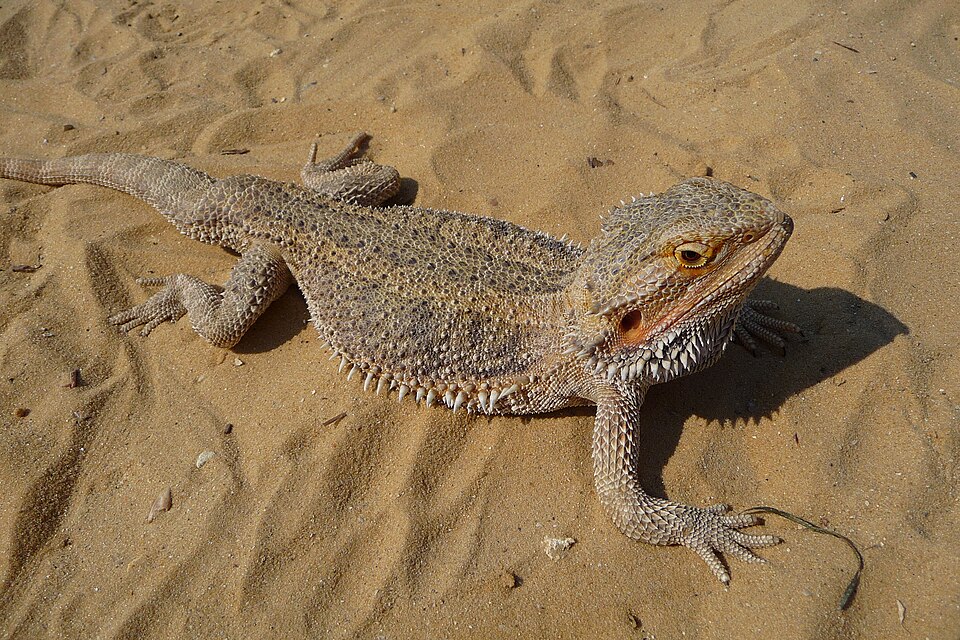
A secure, carefully monitored habitat helps reptiles stay healthy and prevents avoidable escapes and injuries. Learn how to make every part of your terrarium safer, from heating and substrate to gentle handling and emergency readiness.
Quickly navigate the core pillars of aquarium biosecurity. Select any card below to jump directly into detailed husbandry protocols, equipment checks, and water management procedures.
Reinforced load-bearing stands, level placement, escape-proof glass canopies, and smooth, non-sharp decor.
Explore Setup ↗
Maintaining 0 ppm ammonia and nitrite, tracking nitrate levels, and running weekly test kit diagnostics.
Water Checks ↗
Neutralizing tap water chloramines, eliminating toxic soaps and sprays, and using dedicated aquarium buckets.
Chemical Rules ↗
Electrical drip loops, shatterproof quartz heaters, intake filter sponges, and weekly electrical inspections.
Hardware Safety ↗
Matching pH and thermal needs, preventing fin nipping, diffusing territorial aggression, and avoiding overcrowding.
Species Matches ↗
Oxygenated transit bags, insulated thermal coolers, low-stress netting, and gradual drip acclimation protocols.
Transit Steps ↗
Preventing overfeeding ammonia spikes, sharp plastic fin tears, temperature crashes, and sudden power outages.
Hazard Guide ↗
Battery aerators for blackouts, emergency 50% water detox changes, hospital tank setup, and vet contacts.
Emergency Plan ↗A safe aquarium begins with structural stability. Water is exceptionally heavy (approx. 8.34 lbs per gallon), meaning a 20-gallon tank weighs over 200 lbs with substrate and equipment.
Always position aquariums on purpose-built stands or reinforced furniture rated for the filled weight. Never place tanks on unstable coffee tables. Position away from direct sunlight (which triggers runaway algae and heat spikes) and high-traffic drafty doorways.
Contrary to popular belief, small bowls (1–2 gallons) are the hardest to maintain safely because toxins concentrate rapidly. A 15 to 20-gallon tank provides biological buffer stability, diluting organic waste and preventing sudden temperature fluctuations.
Many popular species (Bettas, Danios, Swordtails, Hatchetfish) are agile jumpers when startled. Install a tight-fitting glass canopy or hooded lid with covered filter cutouts to eliminate jumping fatalities and reduce excessive evaporation.
Use only 100% aquarium-safe polyresin ornaments, inert river gravel, and pre-soaked natural driftwood (such as Mopani or Malaysian driftwood). Avoid collected roadside rocks that contain calcareous lime or toxic metal veins which leach into the water column.
Inspect all artificial ornaments for rough mold seams or needle-sharp edges. Long-finned fish (Bettas, fancy Goldfish, Angelfish) will snag and tear their delicate fin rays. Perform the pantyhose test: if decor snags nylon hose, it is too sharp for fish.
Use a spirit level across all four edges during setup. For rimless glass tanks, always lay a high-density closed-cell leveling foam mat underneath to absorb micro-pressure points and prevent devastating glass stress cracks.
Use these quick guides to spot the key safeguards, then explore each topic below for practical details.
Choose a roomy, stable enclosure with safe furnishings, good airflow, and places to hide and bask.
Setup essentialsSecure doors and lids with reliable closures and make quick checks part of your routine.
Secure the enclosureUse thermostats and safe equipment placement to prevent burns, overheating, and cold spots.
Manage heat safelyInstall the correct UVB lamp at the species-appropriate distance and check it regularly.
Check lighting setupMatch flooring to the species and life stage, and reduce the chance of accidental ingestion.
Choose safe substrateMonitor humidity and airflow to avoid conditions that are too dry, damp, or stagnant.
Monitor habitat airHandle calmly, support the whole body, and recognize when your reptile needs space.
Handle with careFollow consistent handwashing and cleaning routines to protect people and pets.
Keep clean safelyKnow what to do if equipment fails, your reptile escapes, or an injury occurs.
Prepare for emergenciesFish live, breathe, and excrete within the same closed water body. Maintaining pristine, toxin-free water through biological cycling and proper chemical neutralization is the single most critical aspect of fishkeeping.
Municipal tap water contains disinfectant chlorine and chloramines designed to kill microbes. Always dose water with a high-grade dechlorinator (e.g. Seachem Prime) before adding new water to detoxify chlorine, chloramines, and trace heavy metals.
Never add fish to a brand-new uncycled aquarium. Establish beneficial nitrifying colonies (Nitrosomonas and Nitrospira) over 3–5 weeks to convert lethal ammonia into nitrite, and then into less harmful nitrate.
Airborne particles settle directly into surface water. Never spray air fresheners, insect sprays, perfumes, or harsh household cleaning chemicals in the same room as an aquarium. Always wash and rinse hands thoroughly without soap before maintenance.
Never use household soaps or bleach inside an aquarium. Use dedicated magnetic algae scrapers and clean exterior glass with warm water and dilute white vinegar. Designate specific buckets and siphons used exclusively for fish.
Test water weekly using a liquid reagent test kit (API Freshwater Master Test Kit). Target parameters: Ammonia: 0 ppm, Nitrite: 0 ppm, Nitrate: < 20–40 ppm, and a stable species-appropriate pH.
During 20–25% weekly water changes, always match the replacement water temperature to within 1°C (2°F) of the tank water. Dumping cold water induces thermal osmotic shock and weakens fish immune systems against Ich.
A thoughtfully planned enclosure gives your reptile room to move while reducing risks from unstable equipment and unsuitable furnishings.
Research adult size, activity, and environmental needs before choosing an enclosure. It should allow a healthy temperature gradient and enough usable space for normal movement and natural behaviours.
Aquarium hardware blends high-voltage electricity with water. Implementing proper cord routing, filter guards, and heater safety controls protects both aquatic life and your home from electrical hazards.
High-powered hang-on-back (HOB) or canister filter intake tubes can trap slow-swimming bettas, small tetras, or shrimp against the grate. Fit a coarse cylindrical pre-filter intake sponge over the tube to safeguard delicate fins and fry.
Heaters are the #1 piece of failing aquarium equipment. Use shatterproof titanium or thick quartz heaters. Always unplug heaters 15 minutes before water changes so the element cools before air exposure, preventing shattering.
Every power cord emerging from the aquarium must dip below the electrical wall outlet before rising into the plug. This prevents stray water droplets or condensation from tracking along cords directly into electrical sockets.
Plug aquarium equipment into Ground Fault Circuit Interrupter (GFCI) outlets that instantly cut power in the event of a short. Consider an external digital temperature controller (e.g. Inkbird) to act as a failsafe shutoff if heater contacts weld stuck.
Never wash filter sponges or bio-media in chlorinated tap water. Gently squeeze sponges inside a bucket of siphoned aquarium water during routine maintenance to remove sludge without destroying delicate beneficial nitrifying bacteria.
When an air pump sits below the water level and power cuts out, water can back-siphon through the airline tubing onto the floor. Install a simple one-way plastic check valve in every airline line to eliminate siphoning.
Reptiles can squeeze through small gaps, push light lids, or find unsecured doors. Make every opening secure before leaving the habitat unattended.
Choose closures designed for your enclosure and species. Re-check them after feeding, cleaning, or maintenance, when doors and lids are most likely to be left ajar.
Heat and UVB equipment are essential for many reptiles, but incorrect placement or failed controls can cause burns, overheating, or inadequate exposure.
Follow reputable, species-specific husbandry guidance for temperatures, UVB strength, distance, and photoperiod. Measure conditions at the animal's level rather than relying on a device dial alone.
An overcrowded or incompatible aquarium creates chronic social stress, weakened immune responses, territorial violence, and rapid water parameter deterioration.
Fish from vastly different wild habitats cannot be safely cohoused. Do not mix coldwater Goldfish (18°–22°C / pH 7.5) with tropical warm-water Discus or Bettas (26°–28°C / soft acidic water). Ensure all tankmates share overlapping temperature, pH, and hardness requirements.
The old rule of "one inch of fish per gallon" is flawed because a heavy-bodied 4-inch goldfish produces 10 times the waste of ten slender 1-inch neon tetras. Factor in adult body mass, swimming activity, and filter volume to prevent oxygen starvation and waste spikes.
Cichlids, aggressive gouramis, and tiger barbs establish defined territorial zones. Never house fin-nipping species alongside slow, flowing-finned fish like Bettas or Guppies. Break up open swimming sightlines with dense live plants, tall driftwood, and rock caves.
Promote peaceful community dynamics by stocking species that inhabit distinct vertical layers: surface dwellers (hatchetfish), mid-water schooling fish (tetras, rasboras), and bottom dwellers (corydoras catfish, bristlenose plecos).
Rushing new fish directly from the pet store bag into your main display tank is the primary route for introducing devastating pathogens like Ich (White Spot Disease), velvet, and internal parasites.
Follow this proven transition process to protect your new arrival from osmotic shock and preserve existing community health:
House new arrivals in a dedicated 10-gallon bare-bottom quarantine tank equipped with a cycled sponge filter and PVC hiding pipes. Screen for white spots, clamped fins, and parasites.
Float the sealed transport bag on the surface of the aquarium for 15–20 minutes. This slowly equalizes water temperatures without allowing store water into the tank.
Transfer fish and bag water into a bucket. Use airline tubing with a loose knot to drip 2–3 drops per second of aquarium water over 30–45 minutes, slowly balancing pH and TDS.
Gently net the fish into the tank. Never pour pet store bag water into your aquarium. Keep aquarium lights turned off for the first 12 hours to reduce territorial harassment.
Fish are delicate vertebrates whose skin is shielded by a fragile protective slime coat. Unnecessary handling or rough transport fractures fins, strips mucous membranes, and elevates stress cortisol to dangerous levels.
Handle fish only when strictly moving tanks or administering emergency medical dips. Use soft, knotless fine mesh nets or clear plastic specimen containers ("catch cups") so the fish remains submerged in water throughout the transfer.
During travel, pack fish bags inside an insulated styrofoam cooler or thermal lunch box. The dark environment calms the fish, prevents visual motion panic, and protects against sudden car air conditioning or outdoor chills.
When bagging fish, maintain a ratio of 1/3 water and 2/3 air (or pure oxygen). Fish breathe oxygen that dissolves from the air pocket into the water; filling the bag with too much water starves them of oxygen.
The right flooring depends on species, age, health, and habitat conditions. When unsure, ask a reptile-experienced veterinarian about the safest option.
Some loose substrates may be swallowed with food, especially when feeding directly on the floor. Ingestion can contribute to impaction, so consider the animal's feeding behaviour and health history when selecting substrate.
Understanding the five most common pitfalls in home aquariums helps prevent unexpected disease outbreaks, mass die-offs, and chronic environmental stress.
Humidity requirements vary widely between reptiles. Good measurement and airflow help maintain a suitable habitat without letting surfaces stay excessively damp.
Use species-specific care guidance to set a humidity range and monitor it across the enclosure. A digital hygrometer is more useful than judging moisture by appearance alone.
When catastrophic equipment failures strike or fish display severe distress, rapid and calculated intervention saves lives. Follow these established emergency action steps.
Fish gasping at the water surface (oxygen depletion or gill burn from ammonia), clamped fins held tight against the body, erratic darting or flashing against gravel, and loss of buoyancy indicate an immediate toxic emergency.
In acute ammonia spikes or chemical spills, immediately perform a 50% water change with temperature-matched, heavily conditioned tap water. Dose double the standard amount of Seachem Prime to bind toxic free ammonia into non-toxic ammonium for 24–48 hours.
Wrap the tank in thick blankets or bubble wrap to conserve heat. Deploy a battery-operated portable aerator with an airstone. If power stays off for hours, manually scoop and pour tank water from 6 inches above every 30 minutes to replenish dissolved oxygen.