Aquatic Psychology & Ethology

Aquarium Fish Behaviour & Dynamics

Decode swimming layers, social hierarchies, and stress signals. Learn how fish communicate through body language, why schooling reduces anxiety, and how to structure your aquascape to eliminate territorial friction.

♥   Dedicated to vibrant aquariums and thriving aquatic life.
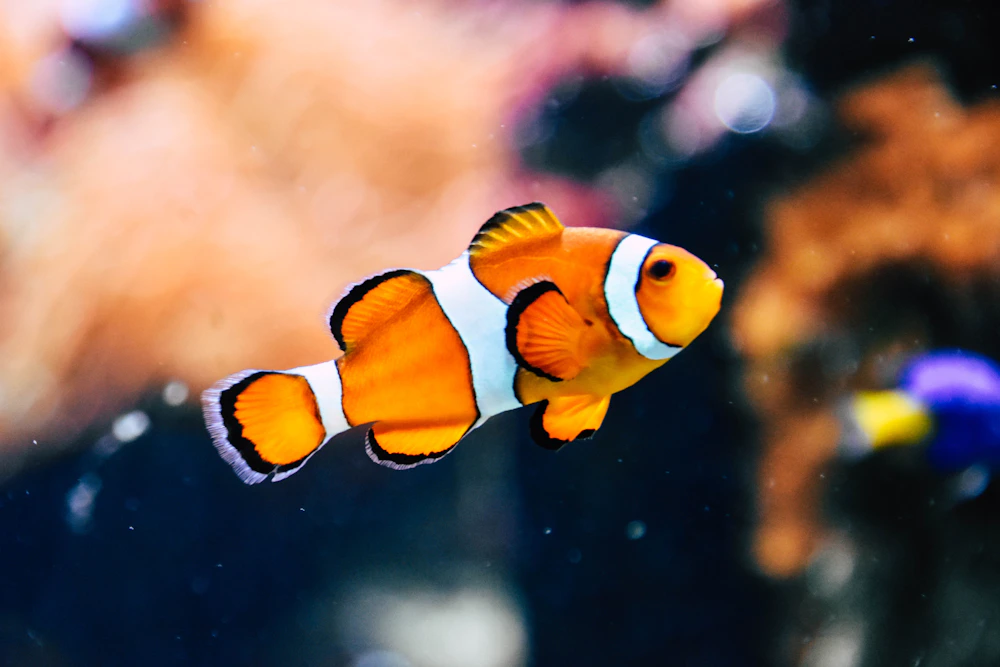
School of colourful aquarium fish swimming in planted tank
3 Swimming ZonesSurface, Mid & Bottom
Schooling SafetyNatural Social Comfort
Vertical Space Allocation

Aquarium Swimming Layers & Zones

A well-balanced community tank occupies all three vertical levels of the aquarium, preventing spatial competition.

Top / Surface Dwellers

Equipped with upturned mouths and flat backs designed to snatch floating insects. They spend their days patrolling the upper 25% of water.

  • Species: Bettas, Hatchetfish, Guppies, Halfbeaks
  • Environment: Floating plants (Salvinia, Frogbit) provide essential shade and resting perches.

Mid-Water Cruisers

Streamlined torpedo-shaped bodies engineered for continuous active swimming. They require broad horizontal open lanes to school gracefully.

  • Species: Neon Tetras, Harlequin Rasboras, Zebra Danios, Angelfish
  • Environment: Planted perimeter with clear central swimming channel.

Bottom Substrate Foragers

Equipped with sensitive downward-facing barbels and sucker mouths to sift substrate, graze biofilm, and vacuum fallen food.

  • Species: Corydoras Catfish, Bristlenose Plecos, Kuhli Loaches
  • Environment: Fine rounded sand substrate to protect delicate sensory barbels.
Social Dynamics

Schooling vs. Shoaling Instincts

Understanding the difference between tight schooling and relaxed shoaling helps you build safe social groups.

Schooling Behavior

Fish synchronize their swimming speed, direction, and tight spacing as a single coordinated living organism. In nature, this confuses predators and reduces hydrodynamic drag. In captivity, schooling is triggered by open water and mild water movement.

  • Key Species: Rummy-nose Tetras, Neon Tetras, Bloodfin Tetras
  • Rule of Thumb: Never keep fewer than 6 to 10 individuals; smaller groups experience chronic cortisol elevation.

Shoaling Behavior

Fish remain social and hang out in loose clusters for mutual reassurance, but swim independently rather than in tight synchrony. They forage, play, and explore nearby while keeping eyes on the group.

  • Key Species: Corydoras catfish, Guppies, Mollies, Zebra Danios
  • Rule of Thumb: Groups of 5+ allow individuals to express curious, playful behaviors without timid hiding.
Body Language

Recognizing Aquarium Stress Signals

Fish communicate distress through unmistakable behavioural shifts long before physical disease symptoms appear.

Glass Surfing

Pacing frantically up and down the glass pane. Indicates severe water parameter stress, sudden ammonia spike, improper pH, or feeling trapped in too small a volume.

Clamped Fins

Holding dorsal, tail, and pelvic fins pinned tightly flat against the body. This is the universal aquatic cry of physical pain, parasite irritation, or cold shock.

Surface Gasping (Piping)

Clustering at the surface film with mouths opening and closing rapidly. Signals critical oxygen depletion or ammonia/nitrite poisoning burning gill tissue.

HAPPY FISH NEED A HEALTHY HOME

Discover Full Aquarium Care

Harmonious fish behaviour begins with peaceful tank parameters, gentle flow, and proper tank cycling. Explore our comprehensive Fish Care guide.