Protein
Supplies essential amino acids for strong muscle development, cellular renewal, enzyme production, and immune resilience.
Fuel your dog's vitality with wholesome, species-appropriate nourishment. Proper nutrition strengthens the immune system, promotes a glossy coat, protects lean muscles, and fuels every enthusiastic tail wag. Discover balanced diets, safe human snacks, feeding schedules, and veterinary-approved guidelines.

Every dog requires a balanced combination of macro and micronutrients to thrive across every life stage.
Supplies essential amino acids for strong muscle development, cellular renewal, enzyme production, and immune resilience.
Concentrated energy source rich in Omega-3 and Omega-6 fatty acids that support brain function, cushion joints, and nourish a glossy coat.
Provides digestible glucose for active daily energy alongside dietary fiber that sustains gut microbiome health and bowel regularity.
Vital organic compounds (A, B-complex, D, E, and K) that facilitate metabolic processes, sharpen vision, and maintain cellular defenses.
Inorganic elements like calcium, phosphorus, magnesium, and iron ensuring strong skeletal density, nerve transmission, and oxygen flow.
The most critical nutrient. Regulates internal body temperature, lubricates joints, aids nutrient circulation, and flushes kidney waste.
Explore the primary feeding styles available to pet parents and choose the option best suited to your dog’s lifestyle and health profile.

Economical, convenient to store, and crunchy. Helps scrape tartar off teeth and provides complete, pre-measured daily nutrition.

High in moisture and rich in savory aroma. Ideal for picky eaters, senior dogs with missing teeth, or pets requiring extra daily hydration.
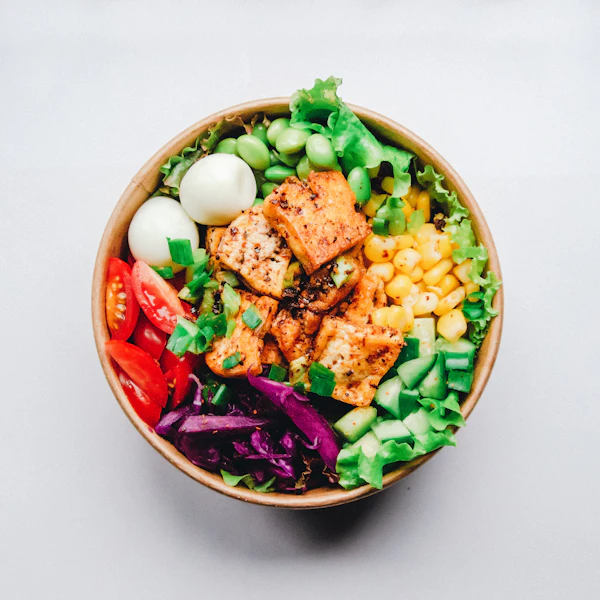
Prepared using real meats, grains, and dog-safe vegetables. Allows complete control over ingredients, though requires vet formulation.

Composed of uncooked meats, organ meats, and edible bones. Requires meticulous hygienic handling to prevent bacterial risks.

Scientifically calibrated therapeutic diets prescribed by vets to manage kidney disease, food allergies, diabetes, and bladder stones.
Healthy human whole foods you can safely offer as nutritious treats or wholesome meal toppers.

Lean, easily digestible protein. Serve plain boiled or baked with skin and cooked bones strictly removed.

Low-calorie crunchy snack packed with beta-carotene and fiber. Chewing raw carrots also promotes cleaner teeth.

Provides vitamins A & C plus dietary fiber. Always core completely and discard seeds, which contain trace cyanide.

Superfood for canine tummies. Soothes diarrhea and eases constipation. Use 100% pure pumpkin, never sugary pie mix.

Gentle and easily digestible carbohydrate. Plain boiled white or brown rice is the gold standard for upset stomachs.

Rich in potassium, magnesium, and vitamin B6. Offer in moderate portions as an occasional sweet reward.

Complete nutritional profile with fatty acids and vitamins. Serve thoroughly cooked (boiled or scrambled) with no butter.

Loaded with dietary fiber and antioxidants. Steam or bake plain and serve mashed or chopped into small soft cubes.
These human foods contain substances harmful to canine metabolism and should be kept safely away from your dog.
Contains theobromine and caffeine. Can cause rapid heart rate, severe vomiting, seizures, muscle tremors, and fatal cardiac failure.
Even minimal quantities can trigger acute, sudden kidney failure in dogs. Keep all fresh grapes and dried raisins strictly out of reach.
Allium species destroy red blood cells, causing hemolytic anemia, weakness, breathlessness, and organ damage. Includes powders.
Found in sugar-free gum, candy, and peanut butter. Triggers rapid insulin release causing life-threatening hypoglycemia and liver collapse.
Causes neurological distress, hind limb weakness, muscle tremors, vomiting, and elevated body temperature within 12 hours of ingestion.
Canine livers cannot process ethanol. Small sips cause alcohol poisoning, severe central nervous system depression, and respiratory arrest.
Coffee grounds, energy drinks, and tea bags elevate blood pressure and cause dangerous cardiac arrhythmias, hyperactivity, and tremors.
Cooking makes bones brittle. They splinter into sharp shards that can puncture the esophagus, stomach wall, or cause fatal bowel obstructions.
Nutritional demands evolve dramatically from rapid puppy growth through mature adulthood to graceful golden years.
Rapid skeletal and muscle formation demands calorie-dense nutrition with balanced calcium-to-phosphorus ratios.
Focus shifts to steady physical maintenance, stable body weight, lean muscle retention, and daily vitality.
Metabolism slows down while joint care, digestive support, and organ function become paramount priorities.
Dogs thrive on predictable daily routines. A steady meal rhythm regulates canine metabolism and aids house training.
Offer the first portion after your morning walk to fuel early activity and kickstart digestion.
Ideal for puppies needing a 3rd meal, or a light healthy carrot crunch for adult dogs during training.
Serve dinner at least 2–3 hours before bedtime to allow full digestion and a final bathroom break.
Keep a clean bowl of fresh, cool drinking water available continuously and wash the bowl daily.
Serve meals at identical times each day to stabilize hunger cues and maintain predictable habits.
Straightforward, expert answers to the most common questions pet parents ask about dog feeding and nutrition.
Most healthy adult dogs thrive when fed twice daily (morning and evening). Young puppies require 3 to 4 meals per day until they reach 6 months of age to maintain steady blood sugar levels. Senior dogs typically do best with 2 smaller, easily digestible meals spaced evenly.
Yes, plain cooked rice is safe for dogs and is often used in bland diets to calm upset stomachs. However, it should only form a portion of a nutritionally complete diet alongside balanced animal protein, healthy fats, and essential vitamins and minerals.
Most adult dogs are lactose intolerant because they lack sufficient lactase enzyme to break down dairy sugars. While a tiny lap of cow's milk might not harm some dogs, it commonly causes diarrhea, abdominal cramping, gas, and vomiting. Plain water is always the best choice.
Safe fruits include seedless apples, blueberries, seedless watermelon, bananas, and strawberries. Never feed grapes or raisins, as they cause acute kidney failure. Also remove all fruit pits and seeds (peaches, cherries, apples) as they contain cyanide and pose choking hazards.
Homemade food offers whole, fresh ingredients without artificial preservatives, but it is challenging to balance long-term without veterinary nutritionist guidance. High-quality commercial dog foods labeled "Complete & Balanced" ensure your dog receives all essential micronutrients in correct ratios.
As a general rule, a healthy dog requires approximately 50 to 60 ml of water per kilogram of body weight daily (about 1 ounce per pound). Active dogs, nursing mothers, and dogs during hot weather need substantially more. Clean, cool water should always be accessible.
No. Puppies have significantly higher caloric, protein, and calcium requirements than adult dogs to support rapid bone and muscle growth. Feeding adult food to puppies can result in skeletal developmental disorders. Feed puppy-formulated diets until 12 months (or up to 18–24 months for large breeds).
Evaluate your dog's energy levels, coat shine, and Body Condition Score (BCS). You should be able to feel (but not visibly see) their ribs with light pressure, and see a definite waistline when viewed from above. Sudden appetite drop or noticeable weight changes warrant a prompt veterinary checkup.
Pair balanced, wholesome nutrition with daily outdoor exercise, grooming, and loving companionship for your dog's happiest, healthiest life.